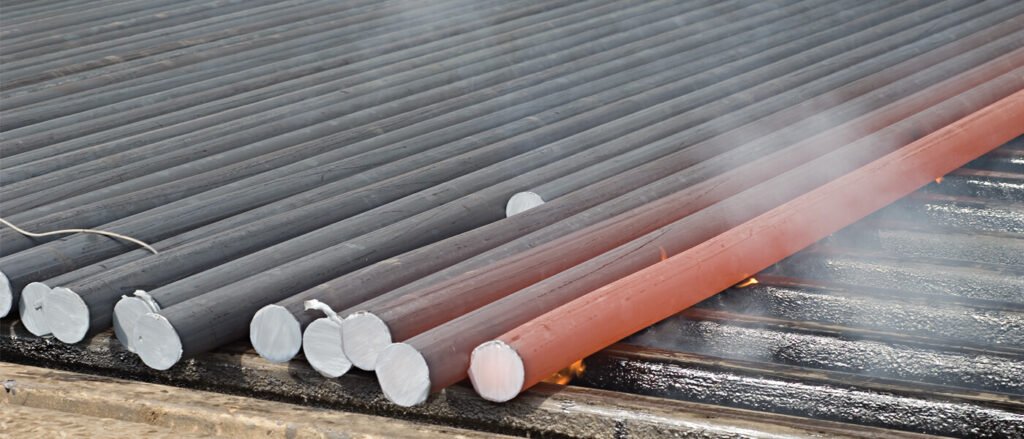
Powder Metallurgy
Today, powder metallurgy products are an intrinsic part of a number of technical sectors. Over the past few decades, PM parts have become prevalent in the automotive, aviation and aerospace, machining, medical technology, and electronics industries thanks to the high levels of economy and functional flexibility they have to offer. PM products can be primarily characterized by their economy and their performance.
At every event, all of the providers of the mechanical and thermal processes required for powder metallurgy will be represented. They showcase their innovations, such as yet further enhanced manufacturing processes using optimized materials.
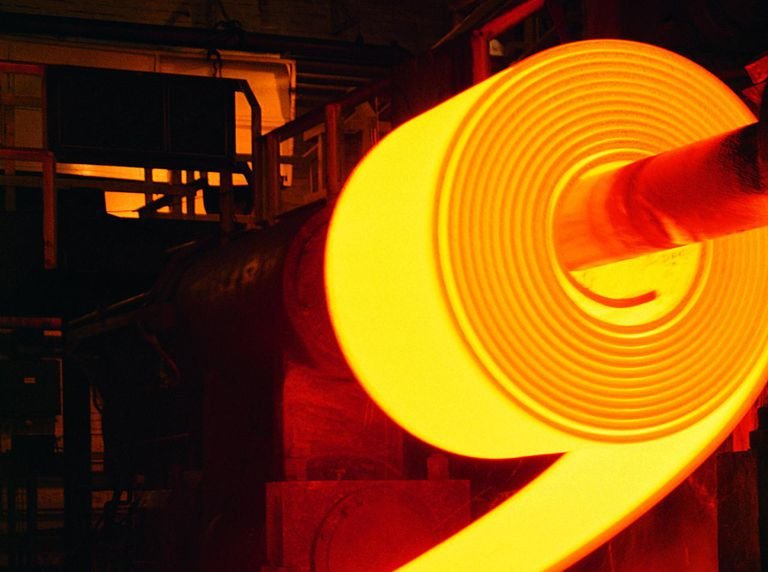
Hot-rolled steel
Hot-rolled steel is steel that’s produced using extreme heat. The terms “hot-rolled steel” and “cold-rolled steel” don’t refer to a specific type of steel. Rather, they refer to the way in which steel is produced. With hot rolling, molten steel is pressed at extremely high temperatures, typically reaching or exceeding 1,700 degrees Fahrenheit. This is important because steel recrystallizes at roughly 750 degrees to 1,300 degrees Fahrenheit, allowing it to be reshaped. Once the hot-rolled steel has cooled, it’s ready for use (or to sell).
Cold-Rolled Steel Explained
Cold-rolled steel is still exposed to the same high temperatures as hot-rolled steel, and it’s also pressed in the very same way. The difference between the two is that cold-rolled steel undergoes an additional processing step after it has been hot rolled. To make cold-rolled steel, hot-rolled steel is transported to a mill where it’s cooled to room temperature and then re-pressed using rollers.
Statistics show that cold-rolled steel is about 20% stronger than its hot-rolled counterpart. During the cold-rolling process, steel is compressed to achieve a lower density but higher tensile strength. The end result is a stronger metal that’s better suited for high-stress applications than hot-rolled steel.